
Rail Replacement Project

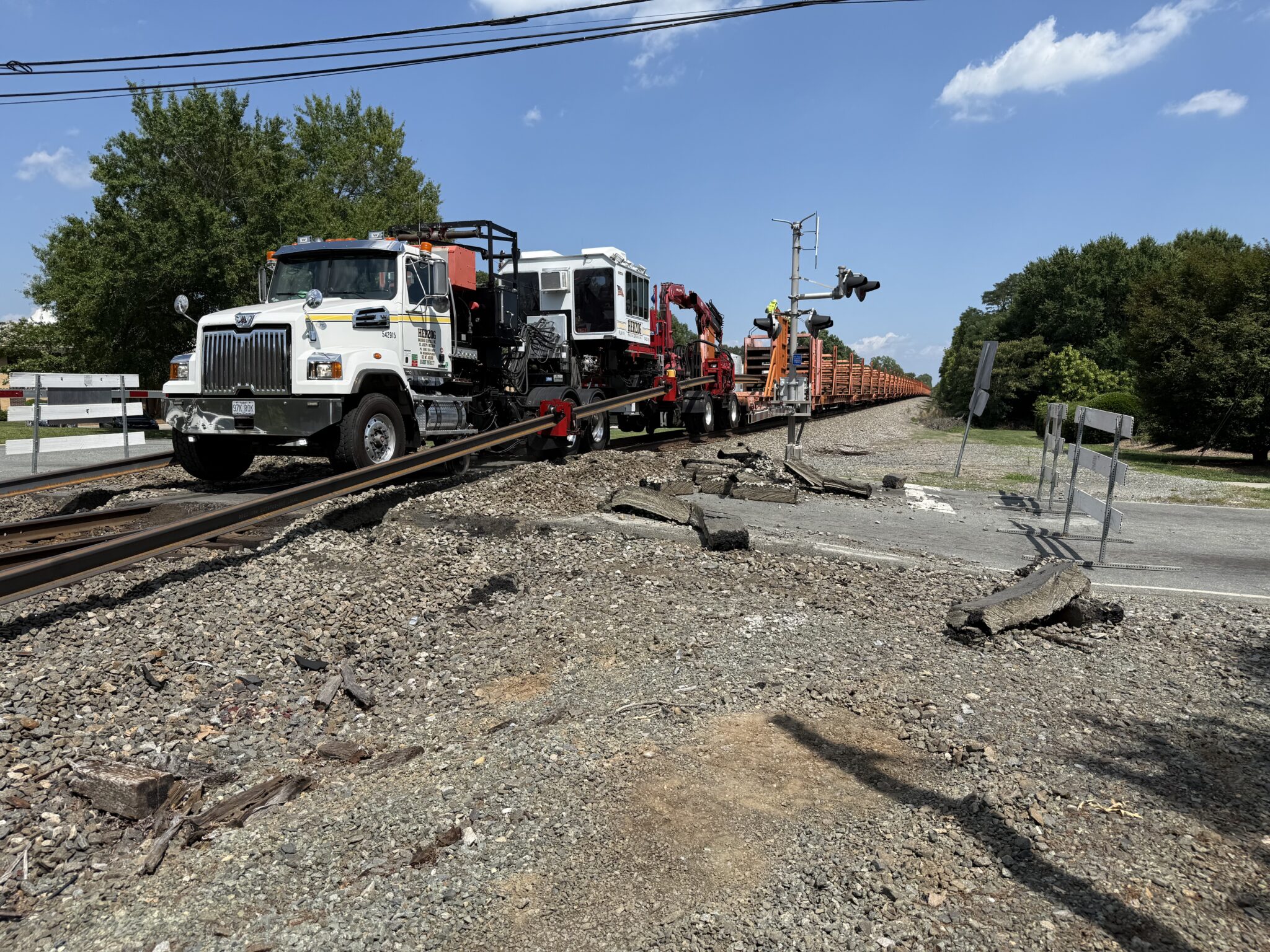
Rail is delivered as continuous welded rail with long sections of steel track welded together to eliminate traditional track joints, reduce maintenance costs and improve corridor safety. This photo shows rail delivery at Glen Raven Road in Burlington, N.C., on July 1, 2026.

The North Carolina Railroad Company (NCRR), in partnership with Norfolk Southern, is replacing up to 69 miles of aging rail between Greensboro and Raleigh as part of a larger investment to modernize North Carolina’s rail infrastructure. This work is one component of the Carolinian and Piedmont Passenger and Freight Improvements (CAPPFI) project and is designed to improve the safety, reliability and long-term performance of one of the state’s busiest rail corridors.


NCRR’s rail corridor is a critical part of North Carolina’s transportation network. Like any infrastructure, rail must be replaced as it reaches the end of its service life. Replacing aging rail helps reduce future maintenance needs, enhances safety, improves ride quality and keeps trains moving efficiently for years to come.

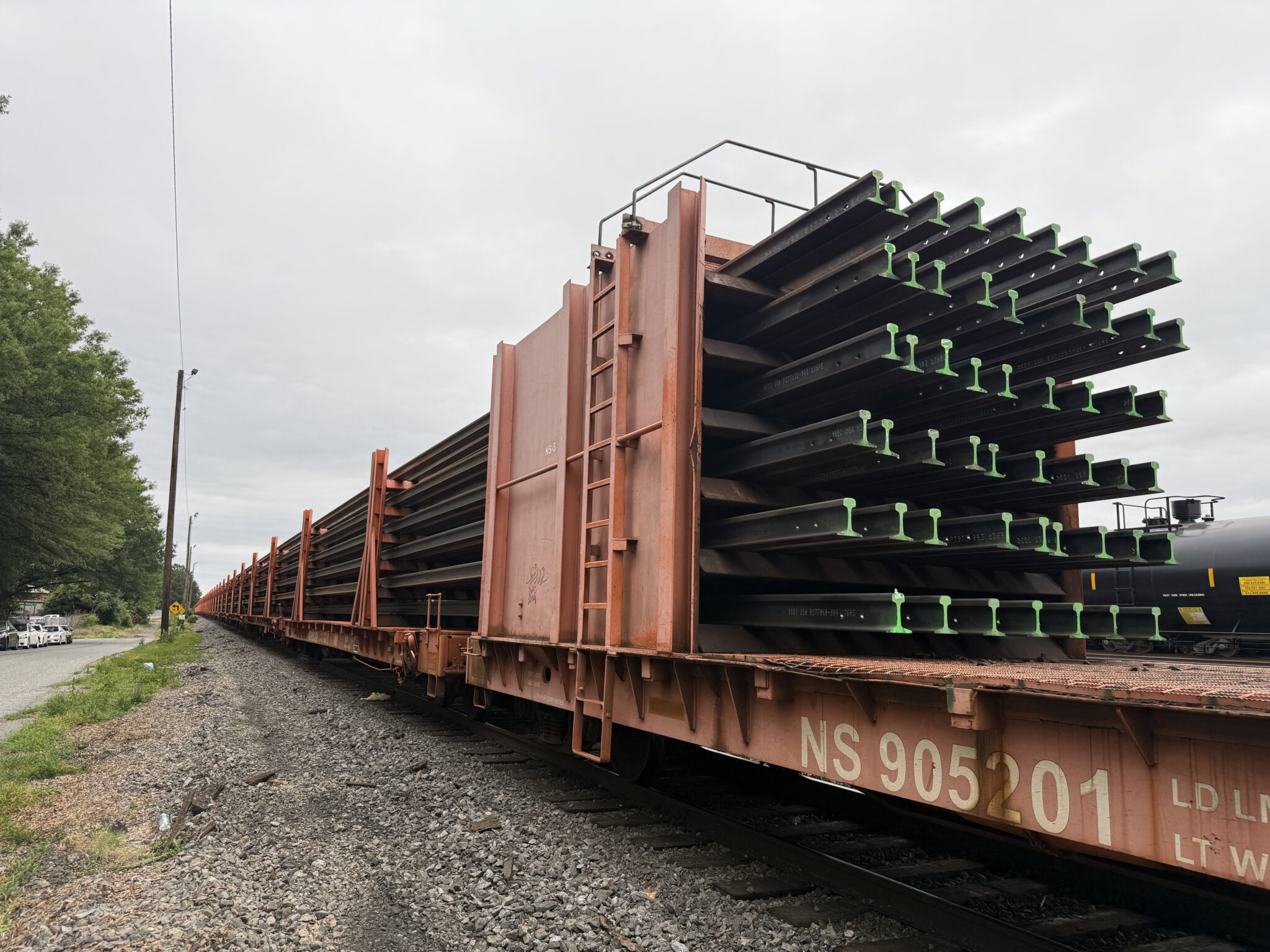
Stacks of continuous welded rail await installation at Pomona Yard in Greensboro, N.C., on June 9, 2026. Manufactured from domestically sourced steel, the rail is delivered in quarter mile-long sections that stretch across multiple rail cars before being distributed for installation.

The rail replacement work requires specialized equipment and uninterrupted access to the railroad. Temporary road closures will be necessary at railroad crossings throughout the project area. NCRR, Norfolk Southern, the North Carolina Department of Transportation and local communities are coordinating closely to minimize disruptions, provide advance notice and help residents, businesses and travelers plan for temporary impacts.

We encourage visitors to check back regularly for updates as work progresses.

Benefits to North Carolina

Replacing aging rail is an investment in North Carolina’s future. While construction will create temporary disruptions in some communities, the improvements being made today will strengthen the rail network for decades to come, supporting safer travel, more reliable service and continued economic growth across the state.

Project Advantages

Replacing aging rail improves the long-term condition of the railroad, reducing the need for unplanned maintenance and helping keep both passenger and freight trains moving safely and efficiently. Modern rail infrastructure also contributes to smoother operations and dependable service.

North Carolina’s rail corridor is a vital link for businesses, manufacturers and communities across the state. A reliable rail network supports economic development, helps move goods efficiently and strengthens the transportation system that connects people, industries and markets.

These improvements are designed to reduce delays and improve operations for both passenger and freight trains. A stronger rail corridor supports future passenger rail growth while helping freight move efficiently through one of North Carolina’s busiest transportation corridors.

Rail infrastructure is built to serve generations. Replacing aging rail today helps preserve one of North Carolina’s key transportation assets, ensuring it continues to support residents, businesses and visitors well into the future.
Check out the R3 team in action, courtesy of our partner Norfolk Southern.